Comparing Evaboot vs UseArtemis in 2026 (Pros and Cons)
When building a modern sales stack for LinkedIn, two names that frequently come up are Evaboot and UseArtemis. However, a common point of confusion is that these tools are not direct competitors; they serve two different but complementary functions. Evaboot is a data enrichment and export tool, while UseArtemis is an outreach automation platform.
Understanding this distinction is crucial for making the right investment. This in-depth comparison will break down Evaboot vs. UseArtemis, explaining what each tool does, its pros and cons, and how they fit into a sales workflow. We'll also introduce a powerful, secure, and affordable alternative for the outreach component: Bindago.
What's the Difference? Data Extraction vs. Outreach Automation
Before we compare them, let's clarify their roles:
-
Evaboot (Data Extraction & Enrichment): This type of tool is designed to scrape lead data from LinkedIn Sales Navigator searches. Its primary function is to export clean lead lists into a CSV file and enrich that data with verified email addresses. Its goal is to provide you with the accurate data needed for your outreach campaigns.
-
UseArtemis (Outreach Automation): This type of tool automates the process of sending connection requests, multi-step message sequences, and emails. Its goal is to start conversations and nurture leads at scale, using the data you've gathered.
A common workflow is to use a tool like Evaboot to get the data, and then use that data in an outreach platform like UseArtemis or an alternative.
Feature Comparison
| Feature | Evaboot | UseArtemis |
|---|---|---|
| Platform | Chrome Extension | Cloud-Based |
| Core Focus | Sales Navigator Lead Export & Enrichment | Multi-Channel Outreach (LinkedIn + Email) |
| Outreach Sequences | ❌ No | ✅ Yes (Advanced with if/else conditions) |
| Email Finding | ✅ Yes (Primary Feature) | ✅ Yes (Email finder included) |
| Data Cleaning | ✅ Yes | ❌ No |
| Security Model | Browser-based (accesses browser data) | Cloud-based (requires credential sharing) |
Price Comparison
| Aspect | Evaboot | UseArtemis |
|---|---|---|
| Model | Monthly Subscription (Credit-based) | Per-Seat Monthly Subscription |
| Starting Price | €29 / month (for 2,000 export credits) | $29 / seat / month |
| Free Trial | ✅ Yes (Free plan with limited credits) | ✅ Yes (7-day trial) |
Evaboot's pricing is tied to the volume of leads you export, while UseArtemis offers tiered plans based on features.
Pros & Cons
Evaboot
-
Pros:
- Excellent at exporting and cleaning lead lists from Sales Navigator.
- Filters out false positives, saving time on list cleanup.
- Strong email enrichment capabilities.
- Has a free plan for low-volume needs.
-
Cons:
- It is not an outreach tool. You still need another platform to use the data you gather.
- As a browser extension, it requires your browser to be running and can have access to your browser activity.
- Pricing can become expensive for very high-volume lead exports.
UseArtemis
-
Pros:
- Powerful multi-channel sequences for LinkedIn and email.
- Advanced features like image/GIF personalization and A/B testing.
- Runs 24/7 in the cloud without needing your computer to be on.
- A unified inbox to manage conversations from multiple channels.
-
Cons:
- Significant Security Risk: It's a cloud-based platform that requires you to hand over your LinkedIn username and password to their servers.
- Can become expensive for multiple seats.
- The complexity of its features can have a steeper learning curve for beginners.
A More Secure and Affordable Alternative for Outreach: Bindago
If your primary goal is to automate your LinkedIn outreach (the job of a tool like UseArtemis), but you are concerned about the high cost and security risks of cloud-based platforms, Bindago offers a compelling alternative.
- Website: https://bindago.com/
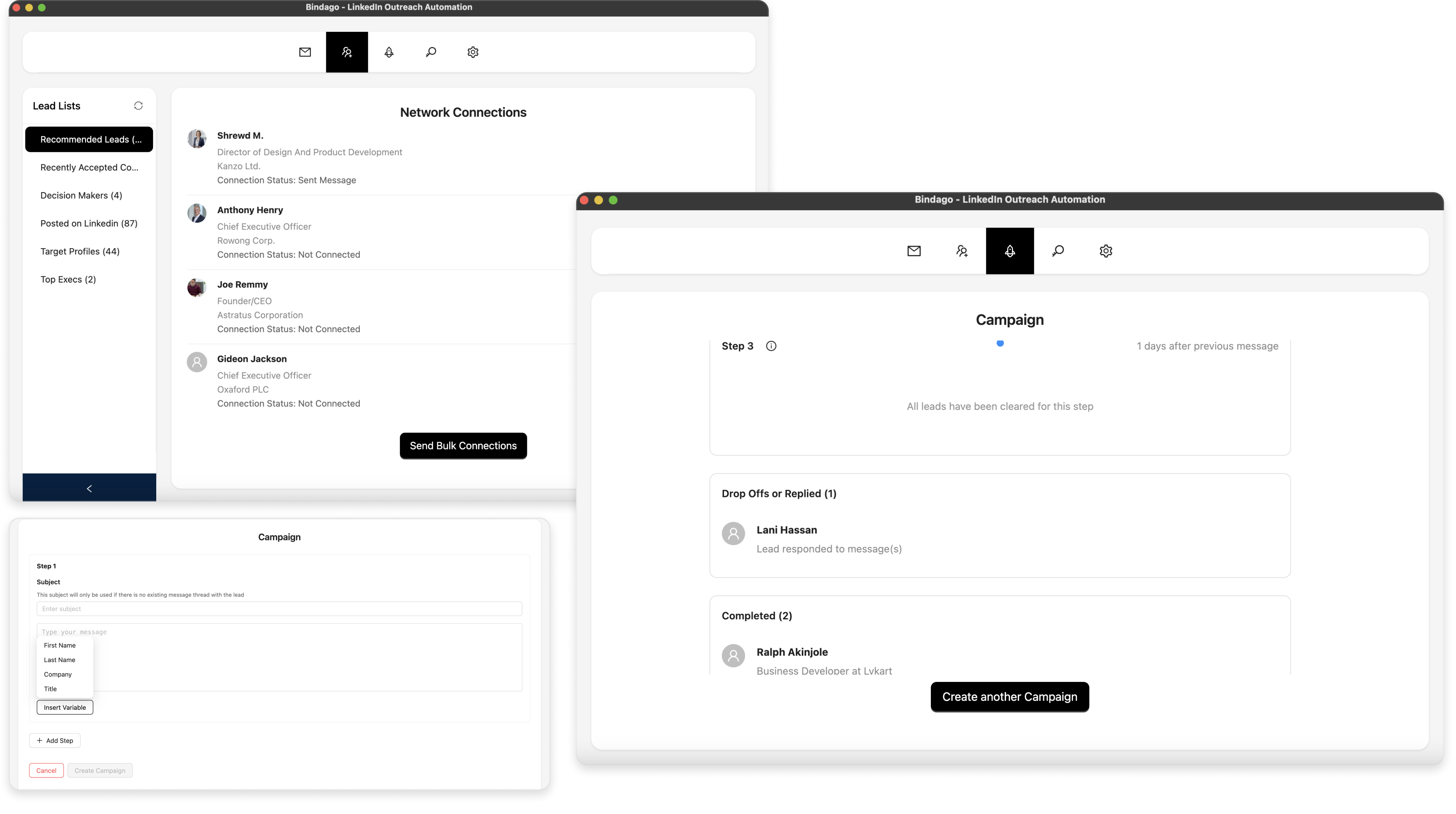
- What it does: A comprehensive desktop application for LinkedIn automation that covers all core outreach needs: bulk connection requests, mass InMail campaigns, multi-step message sequences, and CSV exports.
- Pricing: $9.99/month (flat rate for all features)
Why Bindago is a Strong Outreach Alternative:
- Superior Security: As a desktop application, Bindago runs locally on your computer. Your sensitive LinkedIn credentials are never shared with a third-party server, eliminating the primary security risk of cloud-based tools.
- Drastic Affordability: At just $9.99/month, Bindago is 3 times cheaper than UseArtemis, making powerful outreach automation accessible to everyone.
- Simplicity and Power: Bindago provides a full suite of essential outreach tools, including lead exporting, in an intuitive interface. You can set up and launch a sophisticated multi-step campaign in minutes without a steep learning curve.
- All-in-One Toolkit: It includes practical features that many competitors lack, like a bulk invitation withdrawal tool to keep your account healthy and the ability to export leads from regular LinkedIn searches, not just Sales Navigator.
Conclusion: Building Your Sales Stack
The choice between Evaboot and UseArtemis is not an "either/or" decision. They solve different problems, and a sophisticated sales team might even use both.
- Choose Evaboot if: Your primary need is to extract high-quality, clean lead lists from Sales Navigator to fuel your email campaigns or CRM.
- Choose UseArtemis if: You need a cloud-based outreach automation platform for running complex LinkedIn and email sequences and are comfortable with the associated cost and security risks.
- Choose Bindago if: You need a powerful, secure, and highly affordable tool for LinkedIn outreach automation. It's the ideal choice for professionals and small businesses who prioritize account security and value.
For a cost-effective and secure sales stack, many professionals would use LinkedIn Sales Navigator to find leads, a tool like Evaboot for data enrichment if needed, and Bindago to execute the LinkedIn outreach campaigns. This combination provides best-in-class functionality without the high monthly fees or security risks of all-in-one cloud platforms.