The LinkedIn Conversation-to-Call Conversion Method for Account Executives
You've done the hard work. You sent a personalized connection request, your prospect accepted, and you've started a promising conversation in their LinkedIn DMs. You're building rapport and providing value. But now you're at a critical juncture: how do you move this digital chat into a real-time conversation—a phone call or video meeting—where you can truly build a relationship and advance the deal?
This is where many account executives stumble. They either ask for the call too soon and come across as pushy, or they wait too long and the conversation fizzles out in the inbox. Transitioning from LinkedIn DMs to a real call is a delicate but essential skill for closing deals and building meaningful professional relationships.
This guide provides a clear, actionable framework for making that transition smoothly and effectively, helping you turn DMs into demos and connections into customers.
1. Earn the Right to Ask: Provide Value Before You Pitch
The biggest mistake salespeople make is rushing the ask. Before you can request 20 minutes of a prospect's time, you must first earn it. The initial phase of your LinkedIn conversation should be focused entirely on them, not you.
- Focus on Their Problems: Ask insightful questions about their role, their company, and the challenges they face. Show genuine curiosity.
- Provide Value Generously: Share a relevant article, offer a quick insight based on your experience, or connect them with someone else in your network who might be helpful. Your goal is to become a trusted resource, not just another vendor.
- Build Rapport: Find common ground. Are you from the same city? Did you go to the same university? A little personal connection goes a long way in building the trust needed for them to say "yes" to a call.
You must make several "deposits" into the "trust bank" before you can make a "withdrawal" by asking for their time.
2. Identify the Right Moment: Look for Transition Signals
Timing is everything. Asking for a call at the right moment feels like a natural next step; asking at the wrong time feels like a premature pitch. Look for these "transition signals" from your prospect:
- They Ask Specific Questions: When a prospect starts asking detailed questions about your product, service, or how it works, they are signaling a higher level of interest.
- They Express a Clear Pain Point: A message like, "We're really struggling with our current lead generation process," is a direct invitation to offer a solution.
- The Conversation Becomes Too Complex for Text: If you find yourselves going back and forth with long, detailed messages, it's a perfect opportunity to suggest a call would be more efficient.
- They Repeatedly Engage with Your Content: If a prospect is consistently liking and commenting on your posts after you've connected, it shows they are paying attention and are receptive to your ideas.
When you spot one of these signals, the door is open for you to suggest a call.
3. The Art of the "Ask": Make it Low-Pressure and Value-Focused
How you ask for the call is just as important as when you ask. Your request should be framed around their benefit, not yours.
-
The Wrong Way (High-Pressure, Self-Serving):
"Are you free for a 30-minute demo tomorrow?"
-
The Right Way (Low-Pressure, Value-Focused):
"This is a great question. It might be easier to explain over a quick 15-minute call. Would you be open to that next week?"
Here are three proven templates for asking for the call:
Template 1: The "Easier to Explain" Ask
Use this when the conversation gets complex.
"Hi {{firstName}}, your questions about [Topic] are excellent. It might be quicker to walk you through this on a brief call rather than typing back and forth. Would you have 15 minutes to connect sometime next week?"
Template 2: The "Value Proposition" Ask
Use this when they've expressed a clear pain point.
"Hi {{firstName}}, based on our conversation about [Pain Point], I have a few specific ideas on how you could [Achieve Desired Outcome]. Would you be open to a 20-minute brainstorming call to discuss them?"
Template 3: The "Natural Next Step" Ask
Use this when the conversation has been flowing well.
"This has been a great conversation. It seems like the logical next step might be a brief call to explore how this could apply specifically to {{companyName}}. Are you open to that?"
4. Systematize Your Nurturing to Get to the "Ask" Faster
To get to the point where you can ask for a call, you first need to be having consistent, high-quality conversations. Manually starting and nurturing hundreds of conversations is not a scalable strategy. This is where you can use automation to build the foundation.
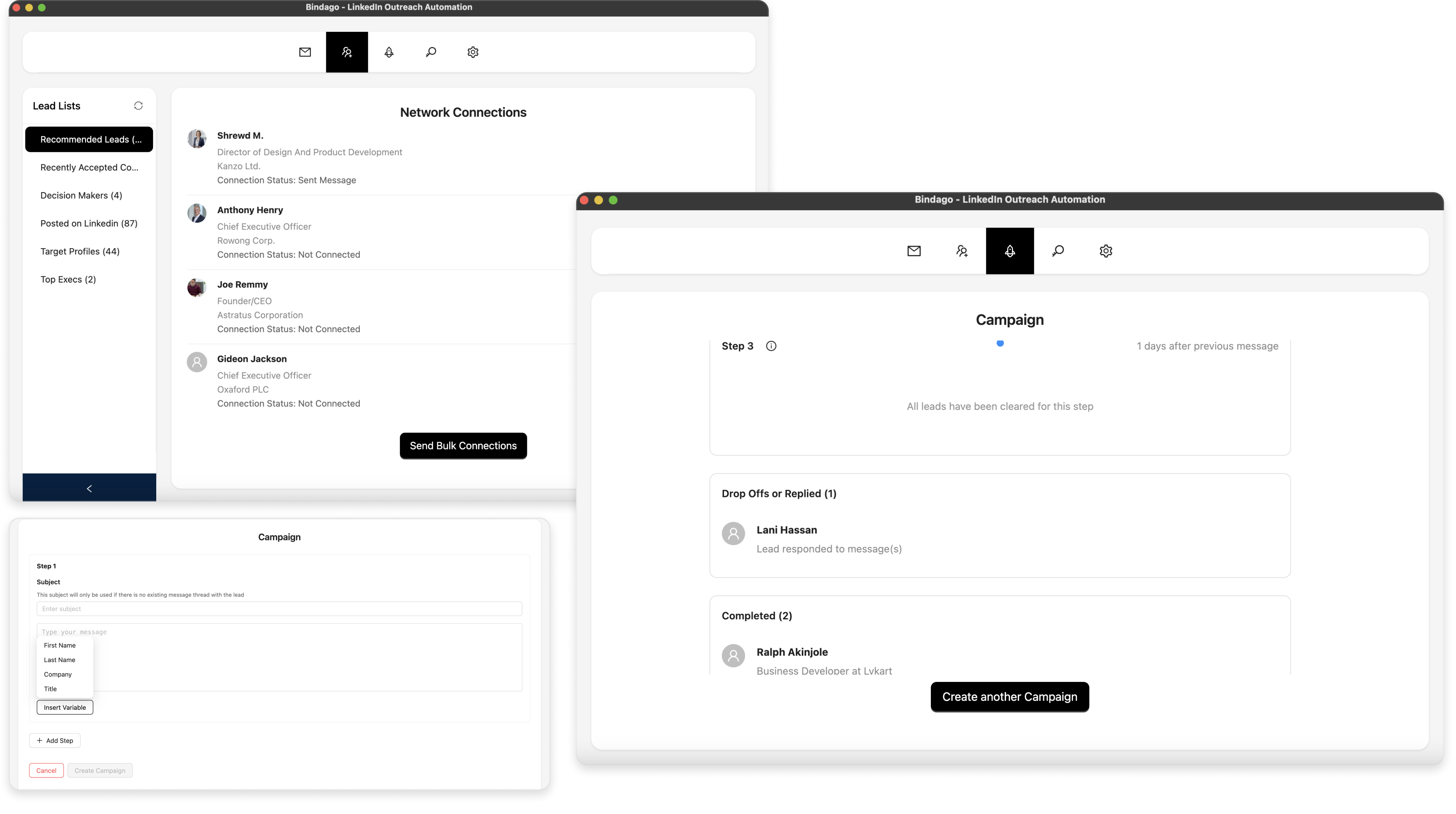
A tool like Bindago can build the foundation for these conversations by automating your initial outreach and nurturing sequences. With Bindago, you can create multi-step message campaigns that warm up new connections, ensuring you are consistently providing value and building rapport with hundreds of prospects at once.
Here’s how it works:
- Build a Targeted List: Use LinkedIn Sales Navigator to find your ideal prospects.
- Create a Nurture Campaign in Bindago: Set up a sequence that automatically sends a series of value-driven messages after a prospect connects with you.
- Message 1 (3 days after connecting): Share a helpful resource.
- Message 2 (7 days later): Ask an insightful question.
- Let Automation Handle the Follow-Up: Bindago sends these messages for you. The automation stops the moment a prospect replies, allowing you to step in and have the natural, human conversation that you can then transition to a call.
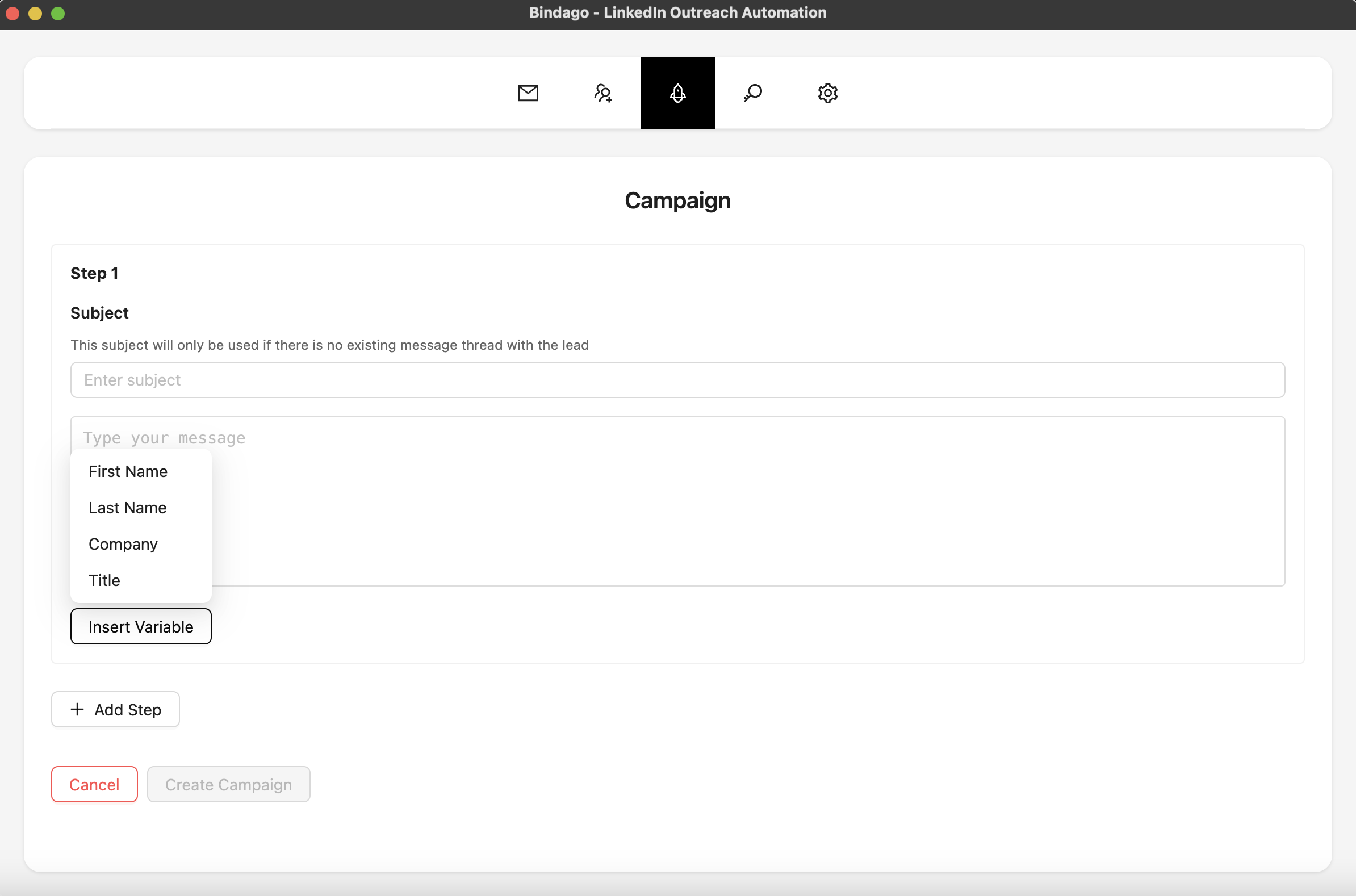
By using Bindago to handle the top-of-funnel nurturing, you can focus your time on the high-value conversations that are ready to be moved to a call. And because it's a desktop application, your LinkedIn credentials remain securely on your computer, a safer alternative to cloud-based tools.
Conclusion: From Digital Handshake to Real Relationship
Moving a conversation from LinkedIn DMs to a real call is a critical skill that separates top performers from the rest. It’s a process that requires patience, value, and timing.
The framework is simple:
- Build trust by providing value first.
- Identify the right moment to transition.
- Ask for the call in a low-pressure, value-focused way.
- Systematize your nurturing process to have more of these conversations.
Master these steps, and you'll find yourself having more meaningful conversations, building stronger relationships, and ultimately, closing more deals.
Ready to generate more conversations and book more meetings? Download Bindago today and start your 10-day free trial.