How to Use Your Network to Generate Referrals on LinkedIn
In the world of B2B sales and business development, a warm referral is the most valuable lead you can get. While cold outreach has a response rate of 1-3%, a referral from a trusted source can have a response rate of over 40% and is far more likely to close. Referrals come with built-in trust, shortening your sales cycle and increasing your win rate.
Your LinkedIn network is a goldmine of potential referrals, but most professionals don't know how to tap into it effectively. They either don't ask, or they ask in a way that feels awkward and transactional. This guide provides a clear, actionable framework for systematically generating high-quality referrals from your LinkedIn network.
1. The Mindset Shift: From "Asking" to "Earning"
The biggest mistake people make when seeking referrals is thinking of it as "asking for a favor." This mindset leads to transactional, uncomfortable interactions. The key to a successful referral strategy is to shift your mindset from "asking" to "earning."
You earn referrals by consistently providing value to your network before you ever need anything in return. Your goal is to become a trusted, top-of-mind resource for your connections, so when an opportunity arises, they think of you naturally.
- Old Mindset: "Who can I ask for a referral today?"
- New Mindset: "How can I provide value to my network today?"
2. Identify Your "Super-Connectors"
Not all connections are created equal when it comes to referrals. A "super-connector" is someone in your network who is well-connected, respected, and has a strong relationship with your ideal prospects.
-
Who are they?
- Happy former clients: They have firsthand experience of your value.
- Industry peers with complementary services: A marketing consultant is a great referral source for a sales coach, and vice versa.
- Well-networked leaders in your target industry.
-
How to find them:
- Use LinkedIn's search filters to find 1st-degree connections who are also connected to your target prospects (2nd-degree connections).
- Regularly review your most engaged connections—the people who consistently like and comment on your posts.
3. The Art of Staying Top-of-Mind (The Nurturing Process)
Once you've identified your key referral sources, you need to nurture those relationships. You can't expect someone you haven't spoken to in two years to go out of their way to refer you.
- Engage with Their Content: Dedicate 15 minutes a day to leaving thoughtful, insightful comments on posts from your key connectors. A great comment is a powerful relationship-building tool.
- Share Their Content: If a connection posts something valuable, share it with your network and add your own commentary, tagging them in the process. This is a generous act that builds significant goodwill.
- Provide Value Proactively: If you come across an article or a resource that you think a specific connection would find useful, send it to them in a DM with a simple message: "Hi {{firstName}}, I saw this and thought of you. Hope you find it helpful!"
4. How to Ask for a Referral (Without Being Awkward)
When you do need to ask for a referral, your approach should be respectful, specific, and make it incredibly easy for your connection to say "yes."
The Golden Rule: Do the Work for Them
Never ask, "Do you know anyone who could use my services?" This puts the mental burden on them. Instead, do your own research and identify the specific person you want to be introduced to.
The Two-Step Ask:
Step 1: The Permission Ask First, ask for their permission to be introduced. This is a low-pressure way to gauge their comfort level.
"Hi [Connector's Name], hope you're well. I see you're connected to [Prospect's Name], the [Prospect's Title] at [Company]. I've been following their work and believe we could help them with [Specific Problem].
Would you be open to making a brief introduction if you have a strong relationship with them? No worries at all if not."
Step 2: The Forwardable Blurb If they agree, your next message should be a simple, forwardable blurb that they can copy and paste.
"That's fantastic, thank you! To make it super easy for you, here's a short blurb you can use:
'Hi [Prospect's Name], I wanted to introduce you to [Your Name]. They are an expert in [Your Field] and have been helping other companies in your industry to [Achieve Result]. I thought a connection might be valuable. I'll let you two take it from here!'"
This approach removes all friction and makes it effortless for your connection to help you.
5. Systematize Your Referral Engine with Automation
Manually nurturing your network, tracking potential referral sources, and sending follow-ups is not a scalable strategy. To turn referral generation into a predictable system, you need to leverage automation.
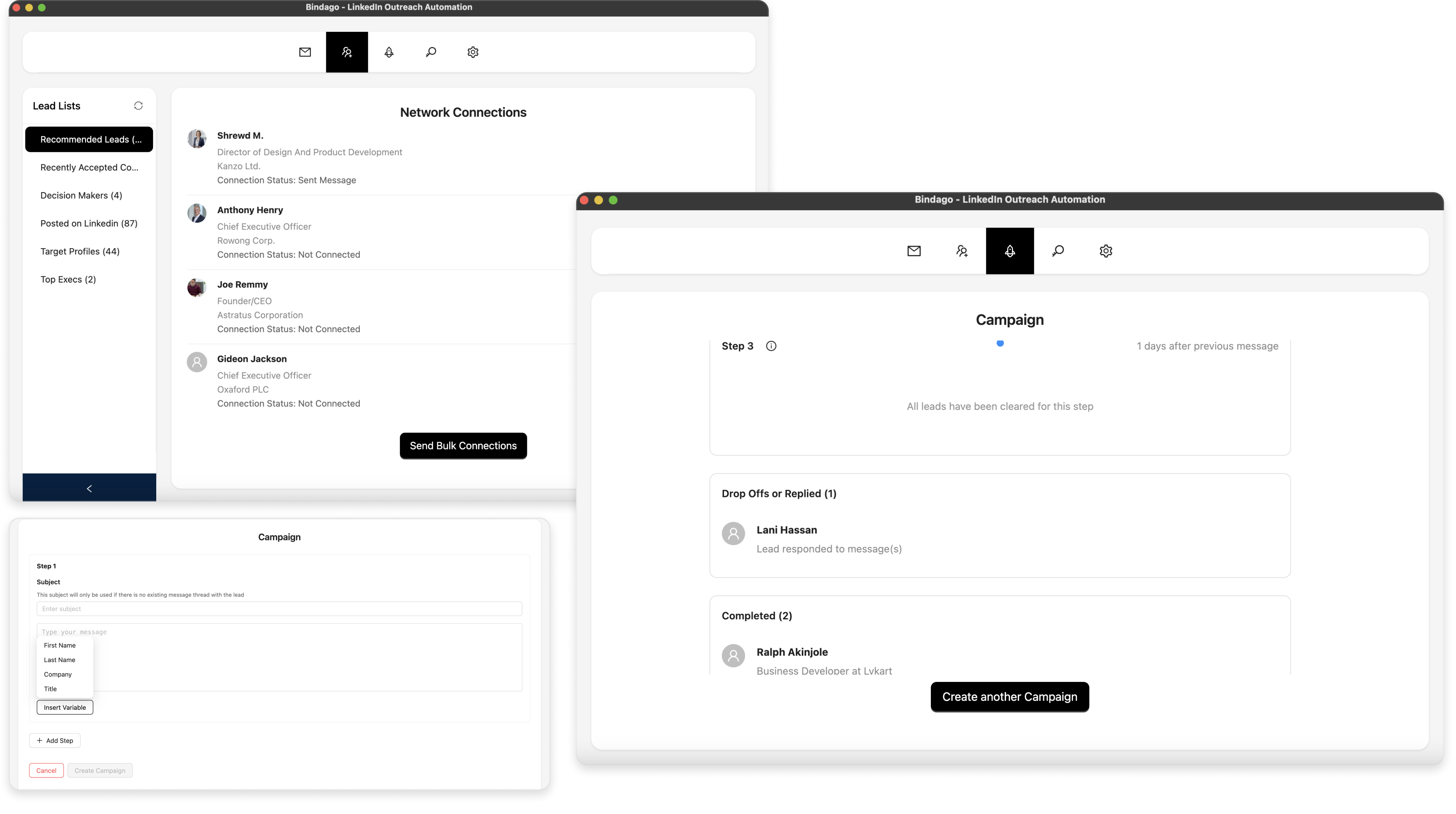
This is where a secure and powerful automation tool like Bindago becomes your engine for growth. Bindago is a desktop application that allows you to automate your LinkedIn engagement and outreach safely and efficiently.
Here’s how you can use Bindago to build your referral engine:
-
Nurture Your Network on Autopilot: Create a list of your key "super-connectors" and launch a "Nurture Campaign" in Bindago. This campaign can automatically:
- View their profile every few weeks to stay on their radar.
- Like their recent posts to show consistent engagement.
- Send a periodic, value-driven message (e.g., sharing a relevant article).
-
Automate Your Outreach to New Prospects: When you identify a new prospect you want to be introduced to, you can use a Bindago campaign to warm them up before you even ask for the referral. A simple campaign that views their profile and likes a post makes your name familiar, so when the introduction is made, you're not a complete stranger.
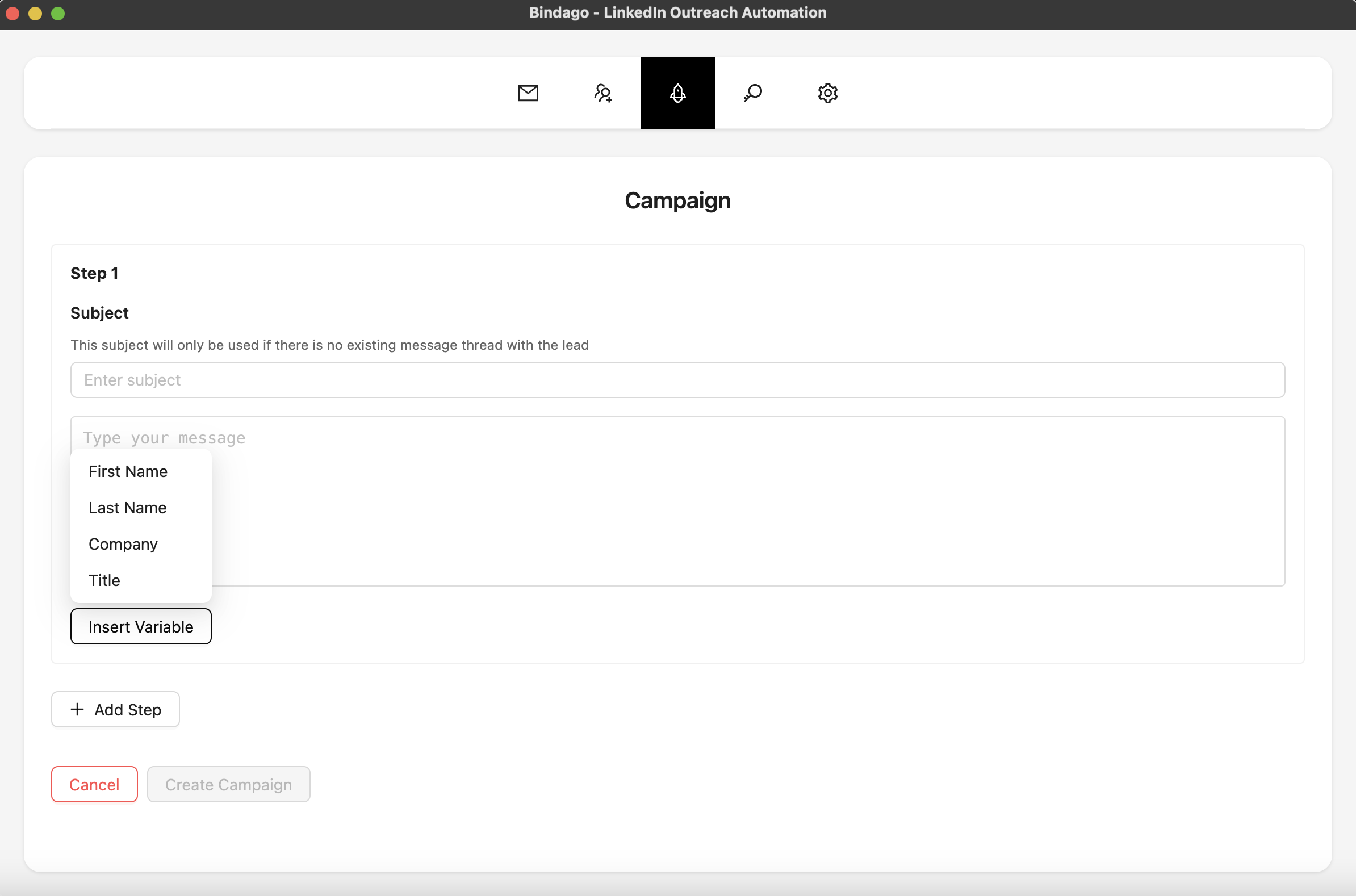
By using Bindago to automate the time-consuming nurturing process, you can focus your energy on the high-value activities: identifying strategic opportunities and having meaningful conversations with the warm leads your network provides. And because it's a desktop app, your LinkedIn credentials remain securely on your computer.
Conclusion: Your Network is Your Greatest Asset
Generating referrals on LinkedIn is not about luck; it's about process. By shifting your mindset from asking to earning, systematically nurturing your network, and making it easy for people to help you, you can build a predictable and powerful pipeline of high-quality leads.
Your network is your greatest professional asset. Start treating it that way, and it will pay dividends for years to come.
Ready to turn your network into a referral-generating machine? Download Bindago today and start your 10-day free trial.