How to Use Engagement as a Selling Tool
The old model of sales—interrupting prospects with cold pitches—is becoming less effective every day. Today’s buyers are more informed, more skeptical, and have more control over the sales process than ever before. They don’t want to be sold to; they want to be helped by credible experts they can trust.
So, how do you build that trust and start meaningful sales conversations in a crowded digital world? The answer is engagement.
Strategic engagement is the art of interacting with your prospects' content and conversations in a way that builds familiarity, demonstrates your expertise, and earns you the right to have a sales conversation. This guide will provide you with a clear, actionable framework for using engagement as your most powerful selling tool.
1. The Mindset Shift: From Pitching to Participating
The fundamental shift you must make is from a "pitching" mindset to a "participating" mindset. Stop thinking about what you can sell and start thinking about what you can give.
- Old Mindset: "How can I get this prospect's attention so I can pitch them?"
- New Mindset: "How can I contribute to a conversation this prospect is already having?"
When you participate in their world by engaging with their content, you move from being an outsider trying to get in, to an insider who is part of the community. This is the foundation of trust.
2. The Three Levels of High-Impact Engagement
Not all engagement is created equal. To use it as a selling tool, you need to be strategic. Here are the three levels of engagement, from easiest to most powerful.
Level 1: The Like (The Nod of Acknowledgment)
A "like" is the simplest form of engagement. It’s a quick, low-effort way to get on a prospect's radar. When a prospect sees that you've liked their post, it's a subtle notification that you exist and are paying attention. While not a conversation starter on its own, it's a crucial first touchpoint in a "warm-up" sequence.
Level 2: The Comment (The Conversation Starter)
This is where the real magic happens. A thoughtful comment is the single most powerful way to stand out and build authority.
The wrong way to comment: "Great post!" or "I agree." The right way to comment: Add value to the conversation.
- Ask a clarifying question: "This is a great point. I'm curious, how do you see this applying in the manufacturing industry?"
- Share a related insight: "This aligns with what I've been seeing. We recently found that teams who implement this see a 20% increase in efficiency."
- Offer a different perspective (respectfully): "This is a really interesting take. An alternative approach I've seen work well is..."
A great comment positions you as a peer and an expert, not just a follower.
Level 3: The Share (The Amplifier)
Sharing a prospect's post with your own network is a powerful act of generosity. It shows you found their content so valuable that you're willing to endorse it to your own audience.
- Actionable Tip: When you share, don't just hit the "share" button. Add your own commentary. Explain why you found the post valuable and tag the original author. This adds your own authority to the conversation and ensures the prospect sees your endorsement.
3. Turning Engagement into Sales Opportunities
Engagement is not just about being seen; it's about creating openings for conversations. The people who like and comment on content related to the problems you solve are your warmest leads.
The Strategy: Engage, Connect, Converse
- Identify the Signal: A prospect engages with your content or with a post on a topic relevant to your solution. This is a buying signal.
- Send a Contextual Connection Request: The engagement is your perfect, non-creepy reason to connect.
- Template: "Hi {{firstName}}, thanks for your thoughtful comment on my post about [Topic]. It's clear you have a deep understanding of this space. I'd love to connect and follow your insights."
- Follow Up with Value: Once they connect, don't immediately pitch. Your first message should continue the conversation and provide more value.
- Template: "Thanks for connecting, {{firstName}}! As you're clearly interested in [Topic], I thought you might find this in-depth guide we wrote on the subject useful. [Link to resource]."
4. How to Systematize Your Engagement Strategy
Manually tracking and engaging with hundreds of prospects is not a scalable strategy. To turn engagement into a predictable lead generation engine, you need to systematize your efforts.
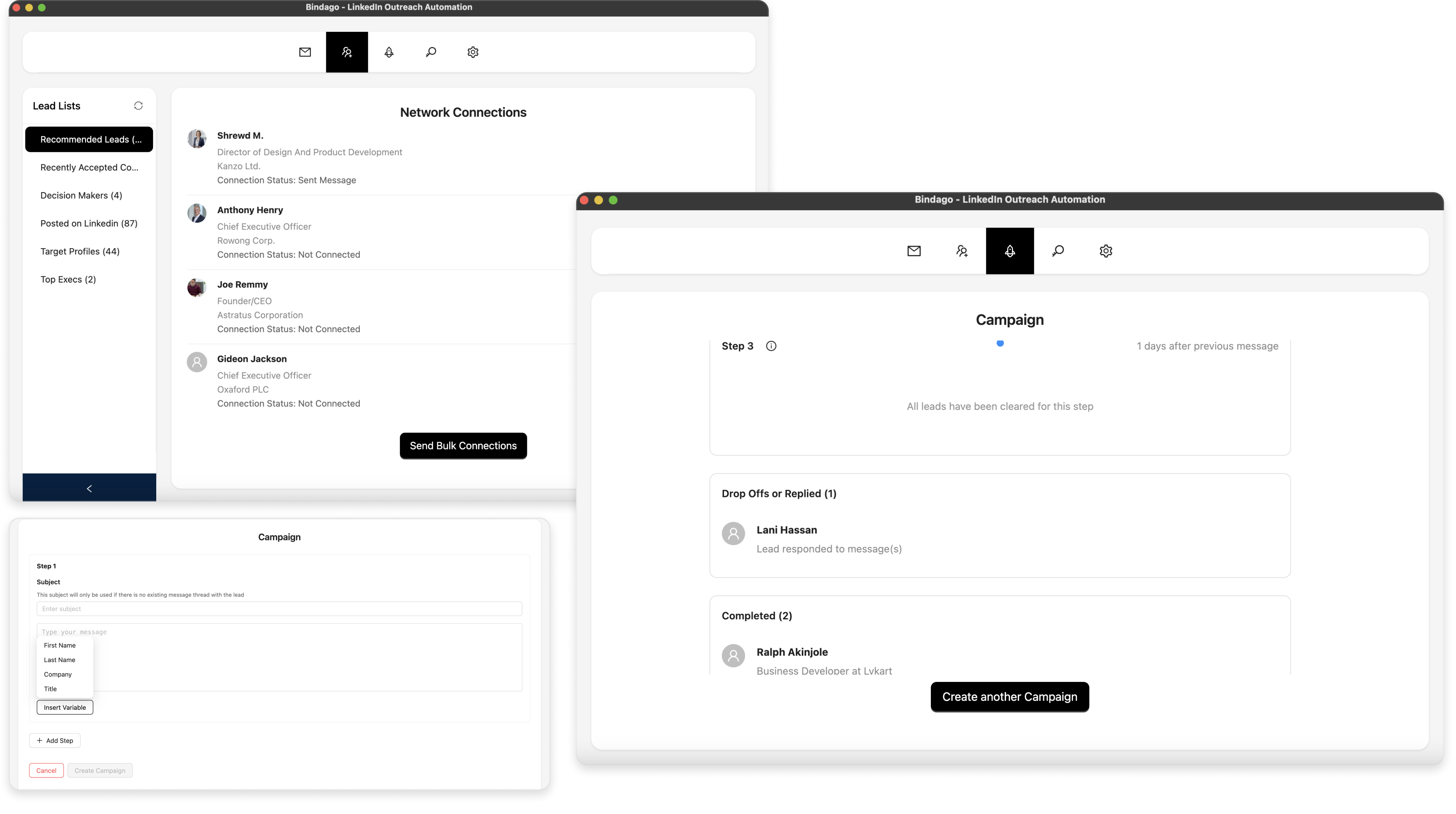
This is where a secure and powerful automation tool like Bindago becomes essential. Bindago is a desktop application that allows you to automate your engagement and outreach safely and efficiently.
Here’s how you can use Bindago to build an engagement-based selling machine:
-
Proactively Engage at Scale: Use Bindago's Campaigns feature to create a "warm-up" sequence that automatically engages with your target prospects before you reach out. You can set up a campaign to:
- View the profile of every prospect on your list.
- A day later, like a recent post from each prospect.
- Two days after that, send a personalized connection request.
-
Turn Your Content Engagers into Leads: After you publish a post, you can create a list of the people who liked or commented on it. Then, launch a Bindago campaign to send them a personalized connection request and a sequence of value-driven follow-up messages.
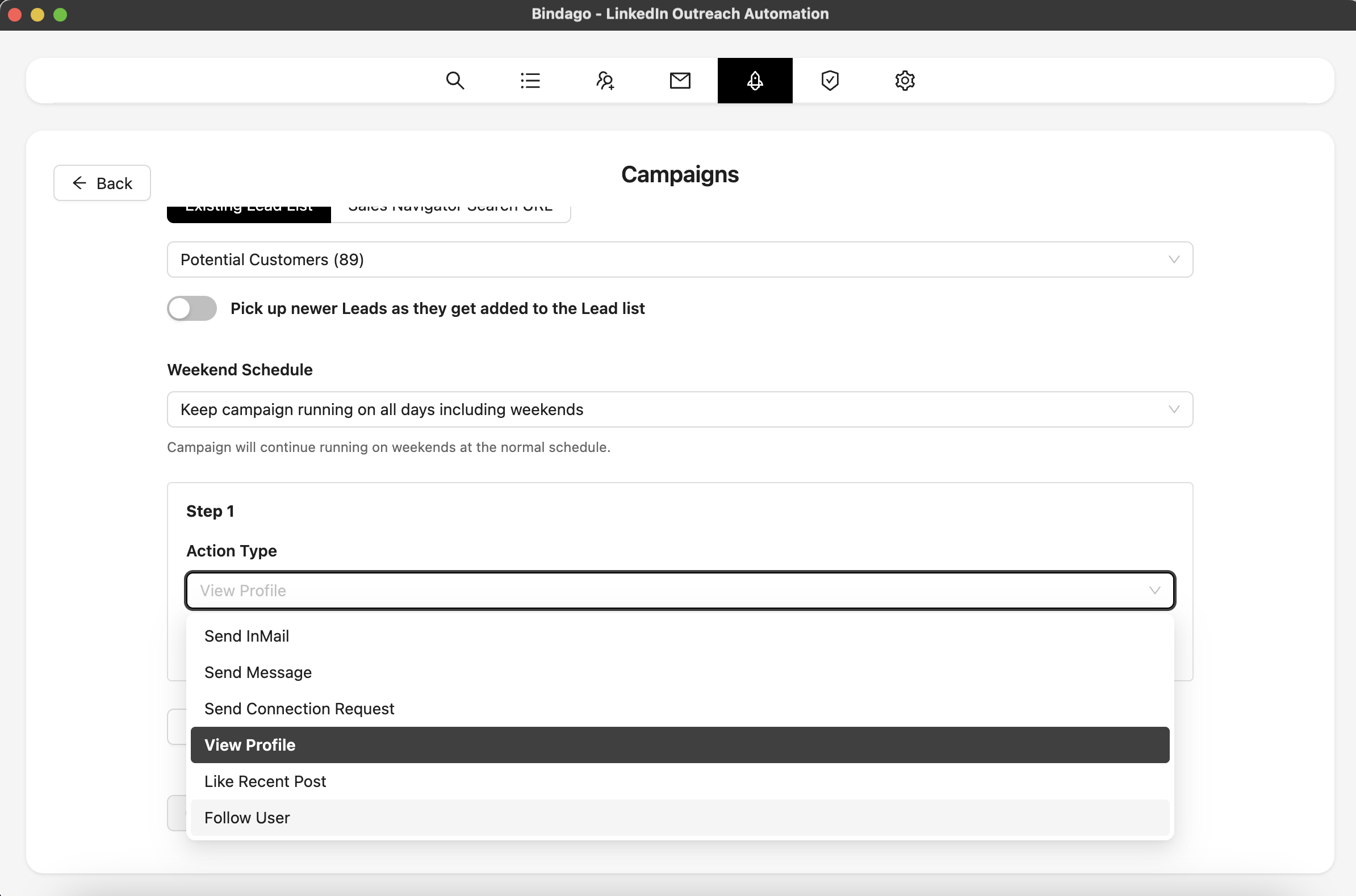
By using Bindago to automate these tasks, you can focus your time on creating valuable content and having strategic conversations with the warm leads your system generates. And because it's a desktop app, your LinkedIn credentials remain securely on your computer.
Conclusion: Stop Selling, Start Engaging
The future of sales is not about who has the best pitch, but who builds the most trust. Strategic engagement is the most effective way to build that trust at scale. By shifting your focus from selling to participating, you can transform your LinkedIn presence from a cold outreach channel into a powerful magnet for inbound opportunities.
The framework is simple:
- Listen to the conversations your prospects are having.
- Engage by adding value through comments and shares.
- Connect with context and relevance.
- Systematize your process to do it consistently.
Master this, and you'll find that you rarely have to "sell" at all.
Ready to turn your engagement into a predictable sales pipeline? Download Bindago today and start your 10-day free trial.